Classical mythology
The Origins of the Phoenix Myth
What the earliest surviving Greek account actually says—and what later retellings added to the bird’s long life.
Read ArticleMyth · image · afterlife
An independent editorial archive tracing how a rare ancient bird became a global symbol of fire, renewal and creative transformation.
Explore the Story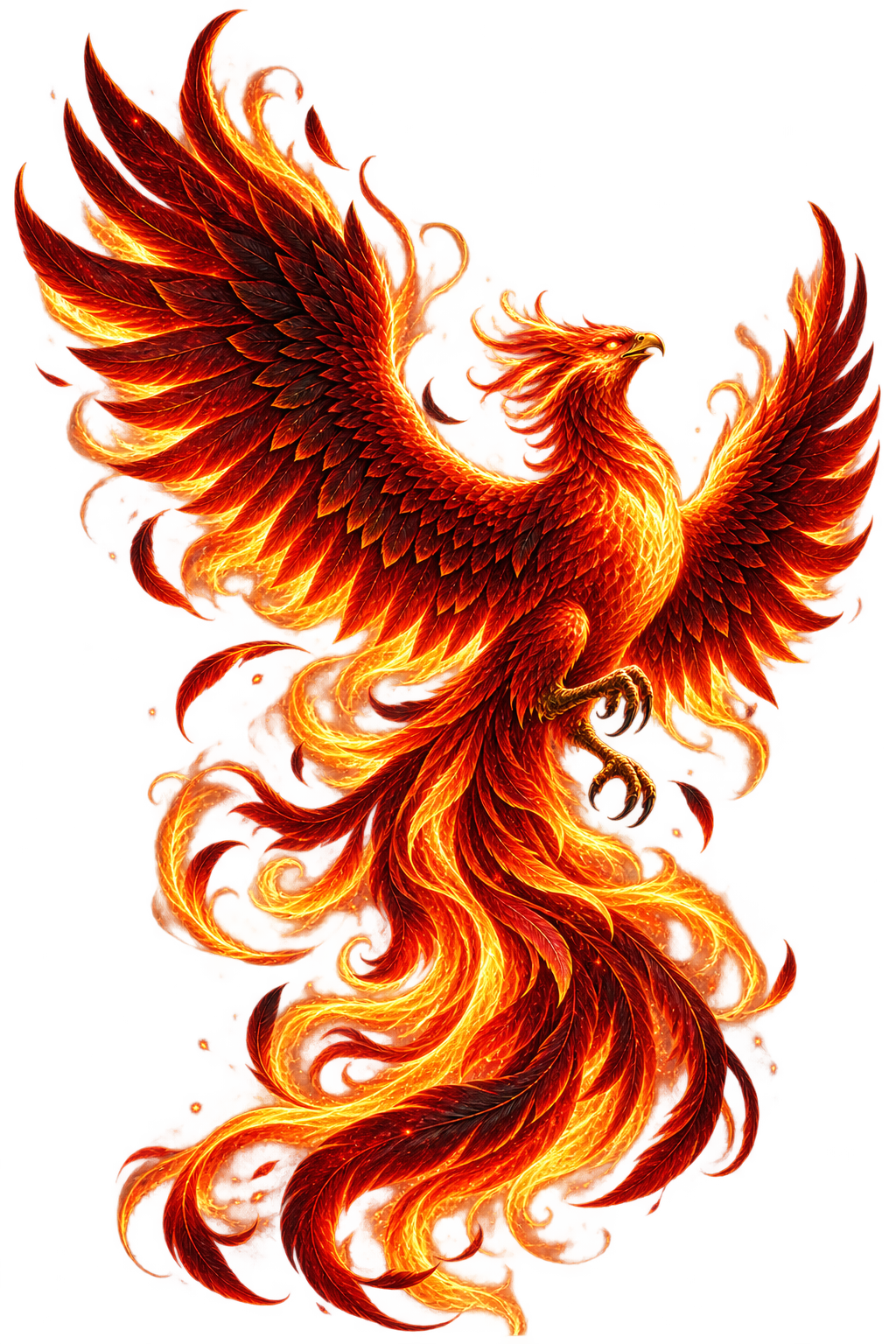
Featured stories
Ancient testimony, careful comparison and modern design analysis—each story begins with a question and ends with its sources.
Classical mythology
What the earliest surviving Greek account actually says—and what later retellings added to the bird’s long life.
Read ArticleComparative mythology
Why comparison can illuminate recurring ideas without collapsing distinct sacred birds into one universal myth.
Read ArticleGames & culture
From revival mechanics to world-building, the phoenix gives designers a readable language of risk and return.
Read ArticleVisual design
A practical visual-language guide to silhouette, material, value and motion when the subject appears to burn.
Read ArticleThree traditions
The word “phoenix” can conceal important differences. We keep the layers visible instead of compressing them into a single origin tale.
The benu, commonly shown as a heron, carried solar and funerary associations. It is useful context for the later phoenix, but not simply the same story under another name.
Herodotus reported a rare Egyptian bird connected with Heliopolis. Ovid later described a five-century life and aromatic nest, showing how the account changed between authors.
Writers, artists and game designers turn rebirth into character arcs, visual systems and playable rules—often shifting the question from survival to the cost of return.
The archive
Classical mythology
What the earliest surviving Greek account actually says—and what later retellings added to the bird’s long life.
Read ArticleComparative mythology
Why comparison can illuminate recurring ideas without collapsing distinct sacred birds into one universal myth.
Read ArticleGames & culture
From revival mechanics to world-building, the phoenix gives designers a readable language of risk and return.
Read ArticleVisual design
A practical visual-language guide to silhouette, material, value and motion when the subject appears to burn.
Read ArticleAncient Egypt
A closer look at the Egyptian bird whose solar and funerary meanings are often folded too quickly into the phoenix.
Read ArticleBooks & art
How artists and patrons turned rebirth into a claim about monarchy, crisis, endurance and public memory.
Read ArticleGames & visual culture
Modern creators rarely copy a classical account line by line. They translate its most legible ideas—rarity, destruction, return and continuity—into new media.
A phoenix may organise a character arc, a kingdom’s calendar or a revival mechanic. The image works best when return has a cost, a memory or a visible consequence.
Readable silhouettes, dark feather masses and controlled glow make a fire creature feel embodied. Motion, soot and cooled surfaces can reveal more character than brightness alone.
Editorial principles
Our public standard for reporting, analysis and corrections.
Topics and conclusions are chosen by the editorial desk, not advertisers or product owners.
Historical claims are checked against primary texts, museum records and named scholarly institutions.
Institutional desks identify responsibility when no individual contributor is commissioned.
Any future sponsorship or affiliate relationship must be labelled before the reader enters the article.
Substantive updates are dated, documented and reviewed by the Editorial Standards Desk.
Questions, answered
Six concise starting points for readers entering the archive.
Its meanings have changed over time. Common readings include longevity, renewal, solar return, resurrection, political continuity and personal transformation. No single definition applies to every period or culture.
The earliest surviving Greek account is in Herodotus and locates the bird in Egypt. Egyptian benu traditions provide important context, but the familiar phoenix developed through several Mediterranean literary and visual traditions.
The earliest Greek report does not describe the theatrical rise from ashes familiar today. Fire, self-burning and rebirth became more explicit through later retellings, then central in medieval and modern imagery.
The phoenix can be a creature, companion, emblem, plot structure or game mechanic. Strong adaptations make rebirth consequential by changing a character, world or set of choices.
Many traditions include solar birds, world-making birds or creatures connected with renewal. Similarity does not make them versions of one universal phoenix; each belongs to a distinct language, history and ritual context.
We begin with a focused question, consult primary or collection records, compare reputable secondary sources and separate documented evidence from our own visual or cultural analysis.
About the editorial desk
Phoenix Archive is published by Phoenix Archive Media LLC. Research, Games & Culture and Visual Culture desks use institutional bylines so responsibility is clear without inventing personal contributors. The Editorial Standards Desk reviews sourcing, corrections and commercial labels.
Last reviewed: 24 August 2026
Meet the archive